The short answer
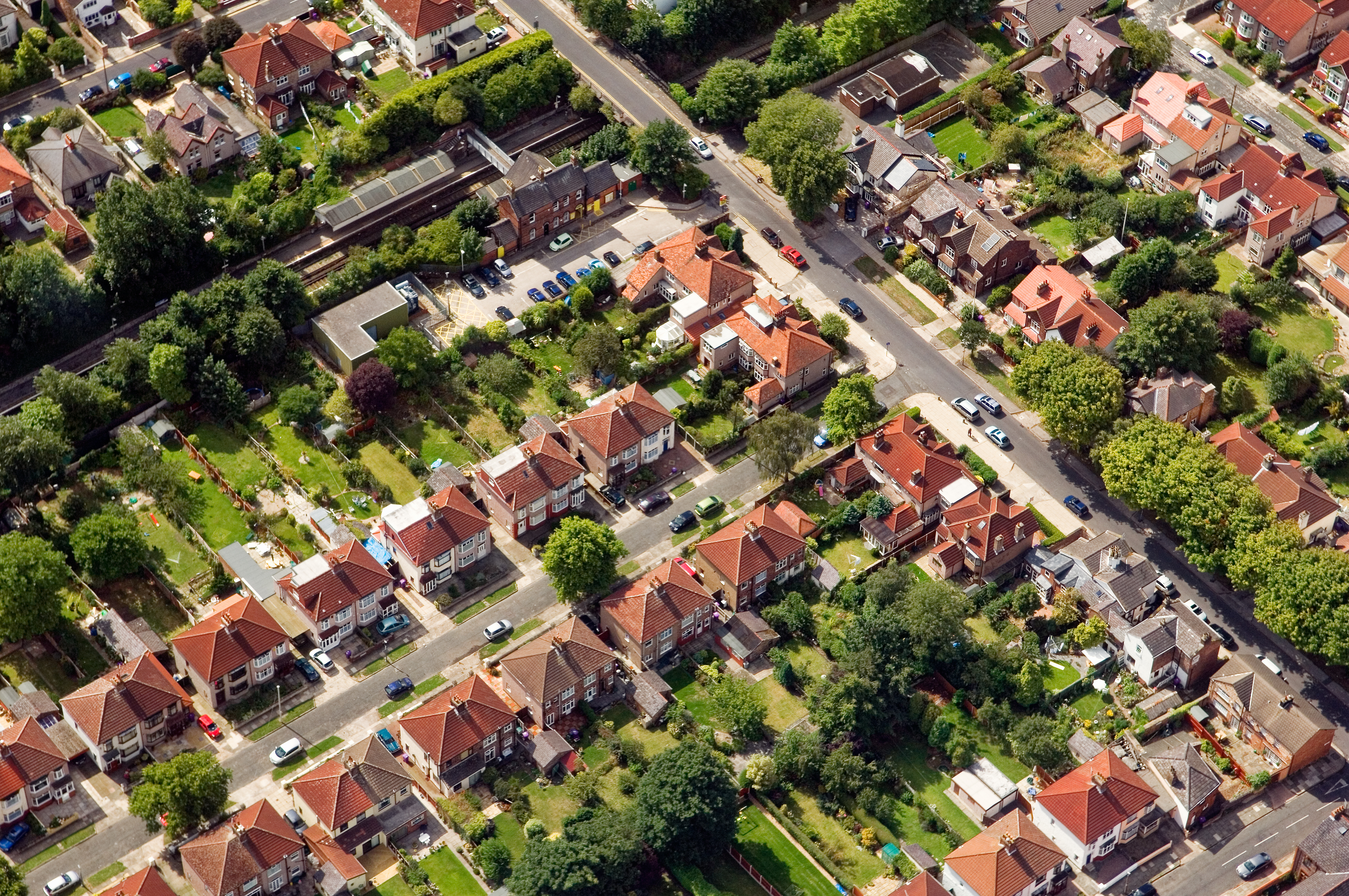
Drone videography gives a listing the one view buyers cannot get from the kerb: the plot, the garden, the roof and what sits around the house. It works best for detached homes, properties with land or views, and new developments, and it is most effective when it is shot on the same visit as the interior photography so the whole pack arrives together.
Which properties benefit most from aerial video
Not every home needs a drone. A mid-terrace on a tight street gains little from height, and the money is better spent on strong interiors. The aerial view earns its place when the selling point is outside the front door: a large garden, a corner plot, parking, a paddock, a waterside setting, or proximity to a park, a school or the station.
New-build developments are a special case. Buyers are purchasing a location as much as a house, so an aerial clip that shows the street layout, green space and road links answers questions a brochure cannot.
What a good listing clip looks like
The best property clips are short. A slow rise from the front garden to reveal the roofline, a gentle orbit to show the plot boundaries, and a wider pull-back to place the home in its neighbourhood. Thirty to sixty seconds is plenty for a portal or social post; anything longer loses viewers.
Smooth, steady movement matters more than dramatic tricks. Fast spins and low passes look exciting on a showreel but make a listing feel like an advert. Buyers want to understand the property, so the pilot should fly to explain rather than to impress.
Stills, video or both
Portals such as Rightmove, Zoopla and OnTheMarket lead with still images, so an aerial still usually becomes the hero shot. Video then does its work on social media and in vendor pitches. Shooting both from the same flight costs far less than two separate visits.
Listing photography starts from a £150 base fee, with aerial exteriors included on the agency listing package. Filmed work with aerial coverage starts from £450 for a half day, which suits premium homes and development launches.
Using aerial video to win instructions
Agents who show vendors an aerial clip from a recent sale in a valuation appointment are demonstrating marketing effort, not just quoting a fee. It is a visible difference between agencies, and vendors notice it. Some agents fund aerial work for premium instructions; others pass it on as a vendor-paid upgrade.
Planning the shoot
Tell the photographer the address, the key selling points and any access restrictions. Flights need dry weather and light wind, so a flexible date helps. Neighbours are sometimes curious; a responsible pilot keeps flights over the client's property and public land and never hovers over other people's gardens. Delivery for listing work is same-week, so a property can launch with a complete set of media.
Getting the most from the footage
Upload the aerial still as the lead portal image when the plot or setting is the main selling point, and use the video on social channels and in the property's online brochure. Share the clip with the vendor too: they are often the most enthusiastic promoters of their own listing and will send it to friends and family.
Frequently asked questions
- Is drone video worth it for every listing?
- No. It adds the most for detached homes, properties with land or views, and new developments. Tight terraces usually benefit more from strong interior photography.
- How long should a property drone video be?
- Thirty to sixty seconds works well for portals and social media. Longer clips lose viewers.
- Can the drone and interior photos be done in one visit?
- Yes, and that is the most efficient approach. Listing photography starts from £150 and aerial exteriors are part of the agency listing package.
- What happens if the weather is bad on the day?
- Drones do not fly in rain or strong wind, so the aerial part is moved to the next suitable day rather than flown unsafely.