
Purpose · Construction Monitoring Photography
The listed-consent Construction Monitoring Photography brief
There is no single template for construction monitoring on a listed-building consent, but there are patterns we return to. Listed-building consent submissions need imagery that shows fabric honestly — the shoot is scoped for the conservation officer, not the buyer.
Captured
What comes back
- Elevations at drawing viewpoints
- Fabric close-ups per material
- Interior heroes of listed features
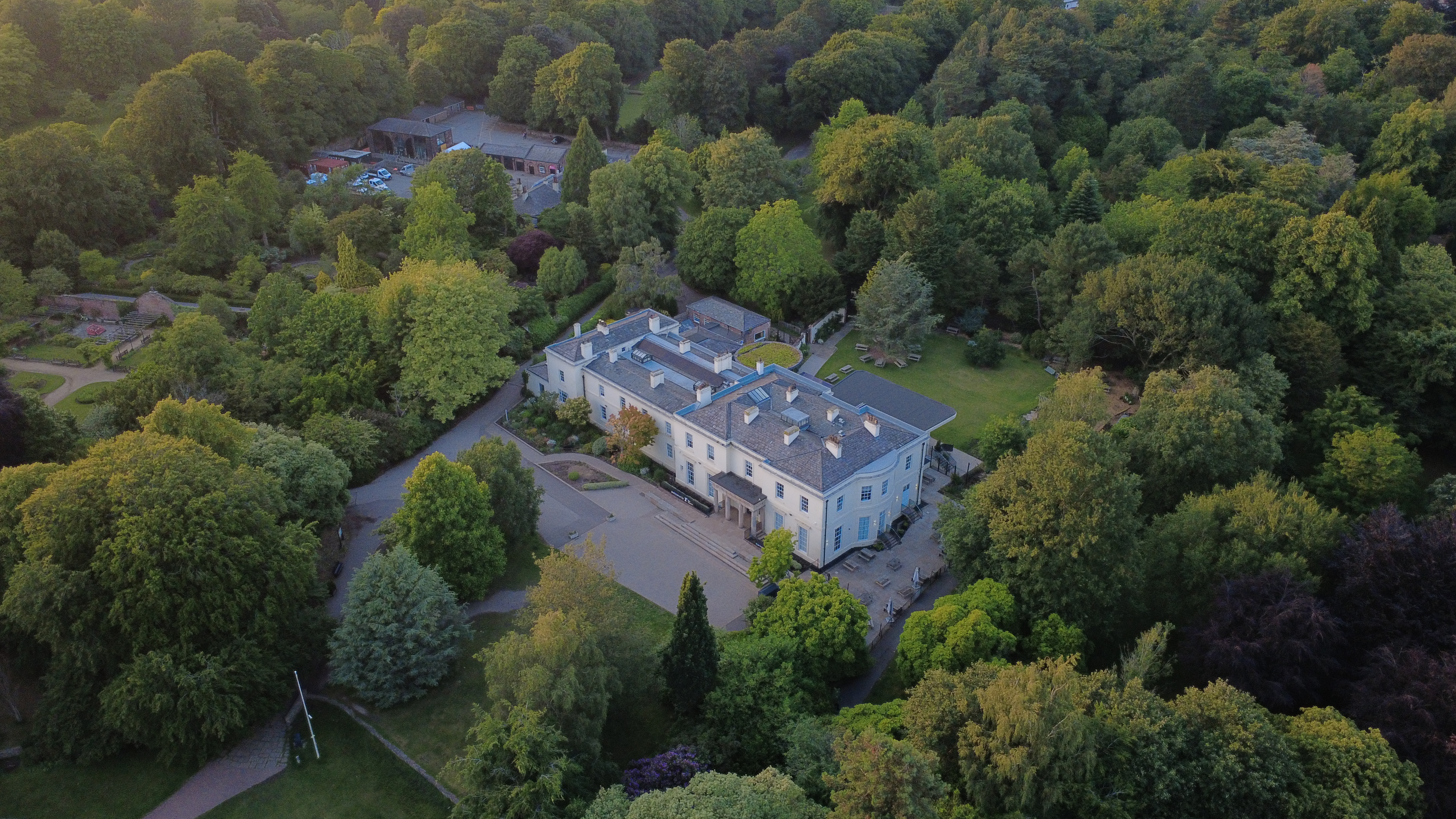
- Site-context aerial
- A3-ready deliverables
Brief
How an LBC brief runs.
fixed-vantage aerial captures repeated at scheduled intervals. Everything moves at conservation-officer pace; nothing on the building leaves a mark.
Constraints
What shapes the shoot
- •No fixings, no scaffolding, tripod-only, on protective floor coverings.
- •Fabric detail is captured close — plaster, timber, glass, ironwork.
- •Site context is aerial where the neighbourhood matters to the case.
Geography
Where this usually lands
Consent shoots in Warrington run inside the standard construction monitoring area.
- Council
- Warrington Borough Council
- County
- Cheshire
- Postcodes
- WA1, WA2, WA4, WA5
- Nearest roads
- M6, M62
- Manchester — 18 mi via M60
- Liverpool City Centre — 18 mi via M62
Method
How this gets shot
fixed-vantage aerial captures repeated at scheduled intervals. Everything moves at conservation-officer pace; nothing on the building leaves a mark.
Angles
Three ways this brief lands
01
Coverage tuned to the heritage consent rather than a generic construction monitoring template.
02
planning condition discharge evidence
03
handover documentation
Proof
Where this has worked
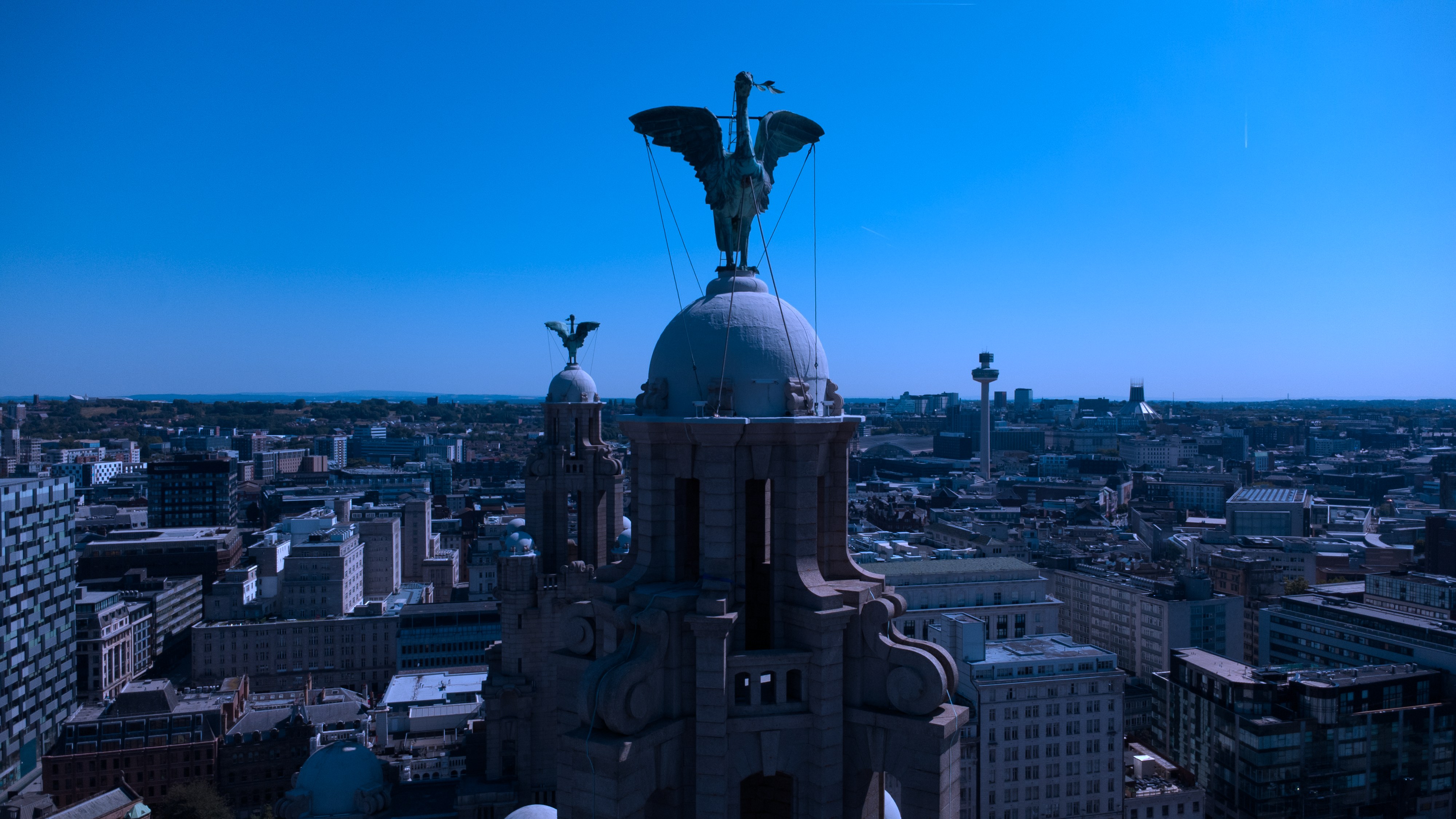
Consent submissions supported on this basis have been approved by Liverpool City Council and Cheshire West conservation officers.
Process
How the visit runs
Step 1
Enquiry
Send the address, drawings or listing and a target date; the reply confirms availability and any heritage consent-specific constraints.
Step 2
Booking
A short retainer secures the slot; the balance is invoiced on delivery of the construction monitoring files.
Step 3
On-site
monthly progress report for a site near the {road}. The visit runs against the pre-agreed shot list, adjusting where the heritage consent throws up something better.
Step 4
Hand-off
monthly aerial + ground photo packs with consistent vantage points. Revisions on colour or crop are included; re-shoots inside 30 days at cost only.
FAQs
Questions we hear
Can you photograph without fixings or scaffolding?
Yes — tripod-only, protective mats, no wall props, no anchor points.
Are the images sized for the submission?
Yes — A3 print-ready and portal-ready deliverables are supplied from the same visit.
How often should we schedule monitoring flights for a Warrington site?
Monthly cadence works for most Warrington schemes; major civils stages can be ramped to fortnightly.
Do you supply a written method statement?
RAMS for the Warrington site are sent with the first visit and refreshed quarterly.
Can you align flight vantage points across visits?
Vantage points are logged in GPS so each Warrington shoot stacks cleanly against the last.
Related
Similar briefs
- construction monitoring in WarringtonLocal construction monitoring landing page for Warrington.
- Coverage — WarringtonNeighbouring coverage entry for the Cheshire corridor.
- Construction Monitoring PhotographyService overview for construction monitoring.
- Board report · construction monitoringRelated board report brief on the same service.
- Insurance claim evidence · construction monitoringRelated insurance claim brief on the same service.
Next step
Send the site details
A heritage consent construction monitoring pack is conservation-officer-first.
Tell us about the heritage consent and the construction monitoring outcome you need. A short reply confirms availability, scope and price.
Send the brief